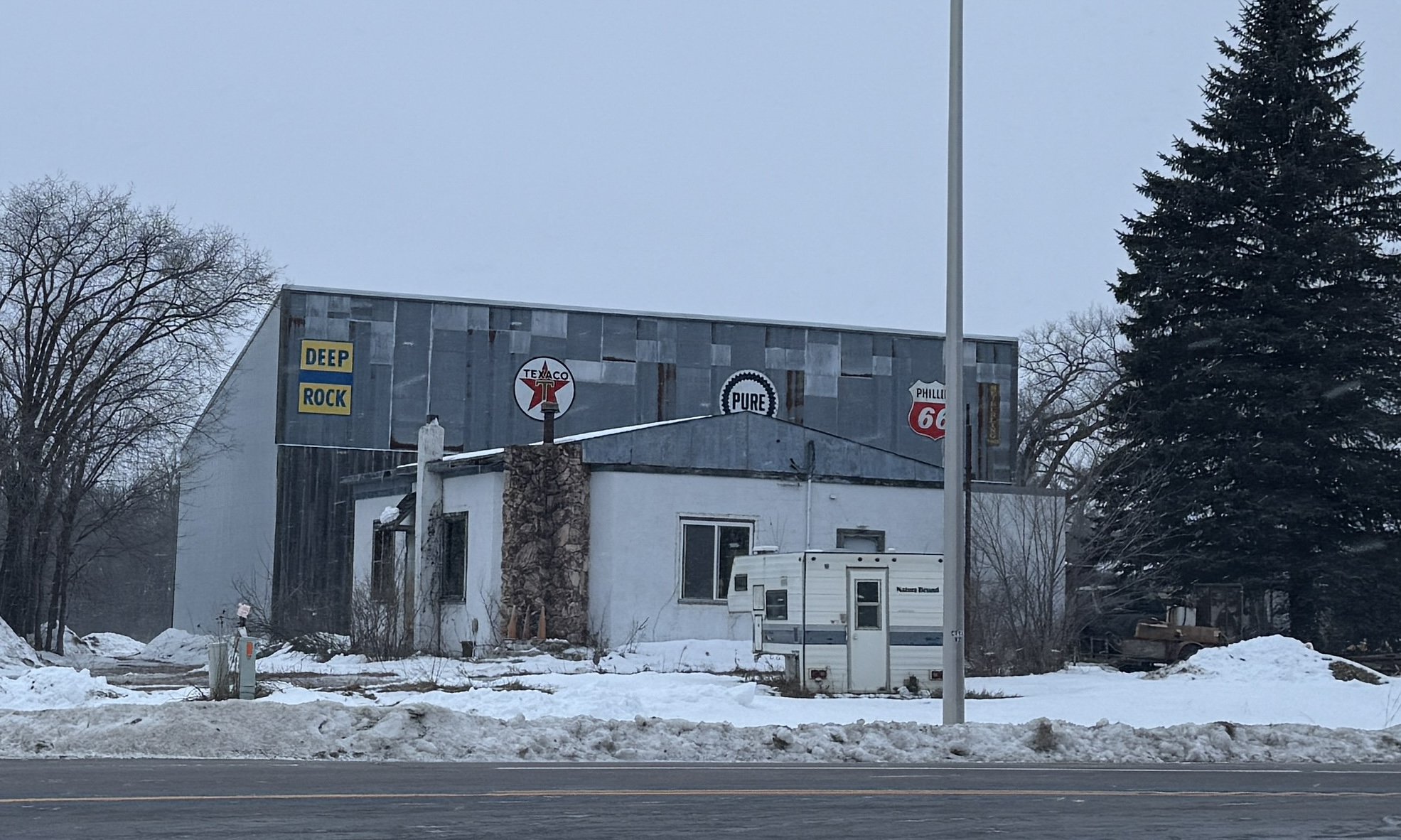
Deep rock south of Brainerd
If you’re heading to the intersection of Highway 25 and Highway 2 south of Brainerd, you're looking at a classic Minnesota crossroads in the heart of the lakes area. This junction, located near the town of Genola and just north of Pierz, serves as a key transition point between the dense pine forests of the north and the rolling farmland to the south. It's a high-traffic spot for commuters and cabin-goers alike, often marked by the rural scenery, local agricultural hubs, and the steady stream of travelers making their way toward the Brainerd Lakes recreational area.
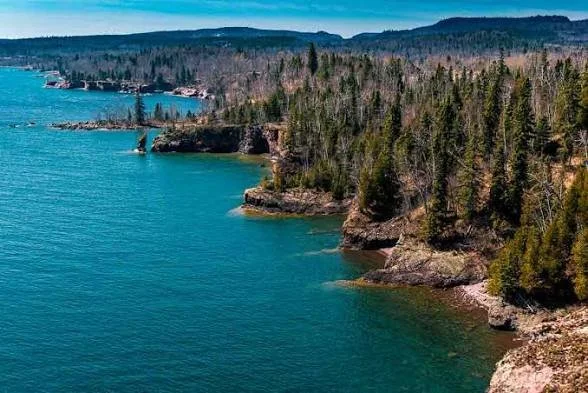
And this is why Minnesota is superior to Texas in my mind
The primary difference between Minnesota and Texas lies in their opposite approaches to land ownership and outdoor access. Minnesota is a public-land stronghold, boasting over 12 million acres of accessible terrain, including state forests, Wildlife Management Areas (WMAs), and two massive national forests; in the northern half of the state, it is common for hunters and hikers to roam for miles without encountering a fence. In contrast, Texas is a "private land state" where roughly 95% of the land is privately owned. While Texas offers world-class hunting and recreation, access is typically restricted to landowners or those who pay for exclusive "leases," making public access much scarcer and often more crowded compared to the open-range tradition of the North.
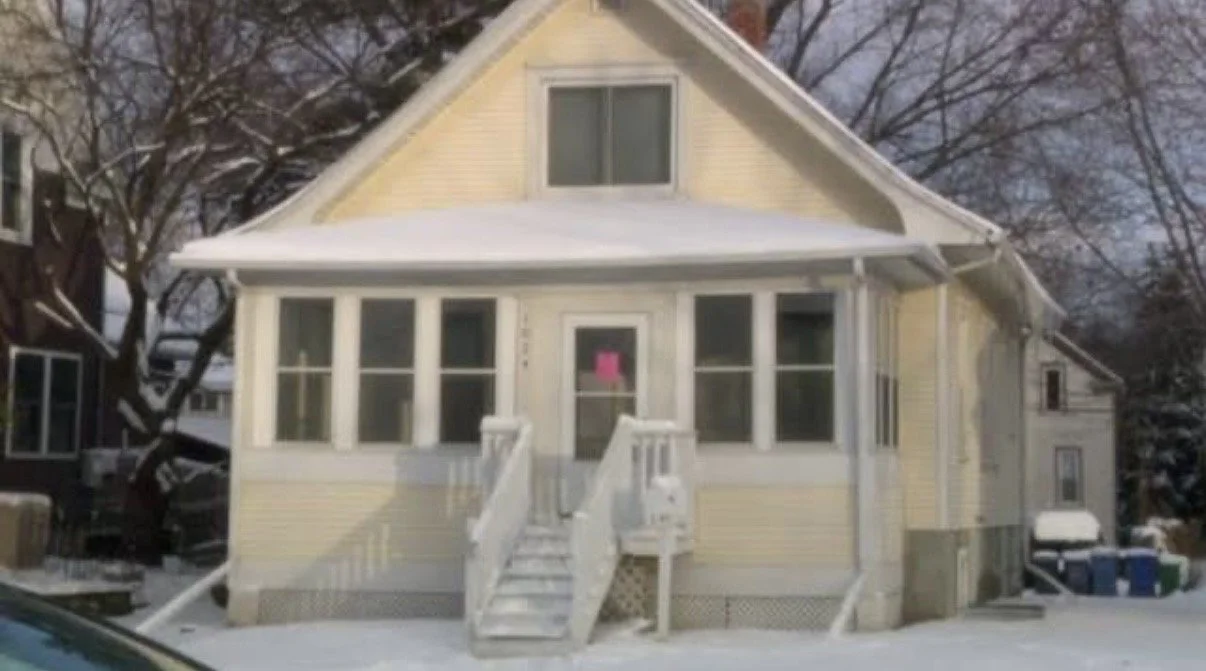
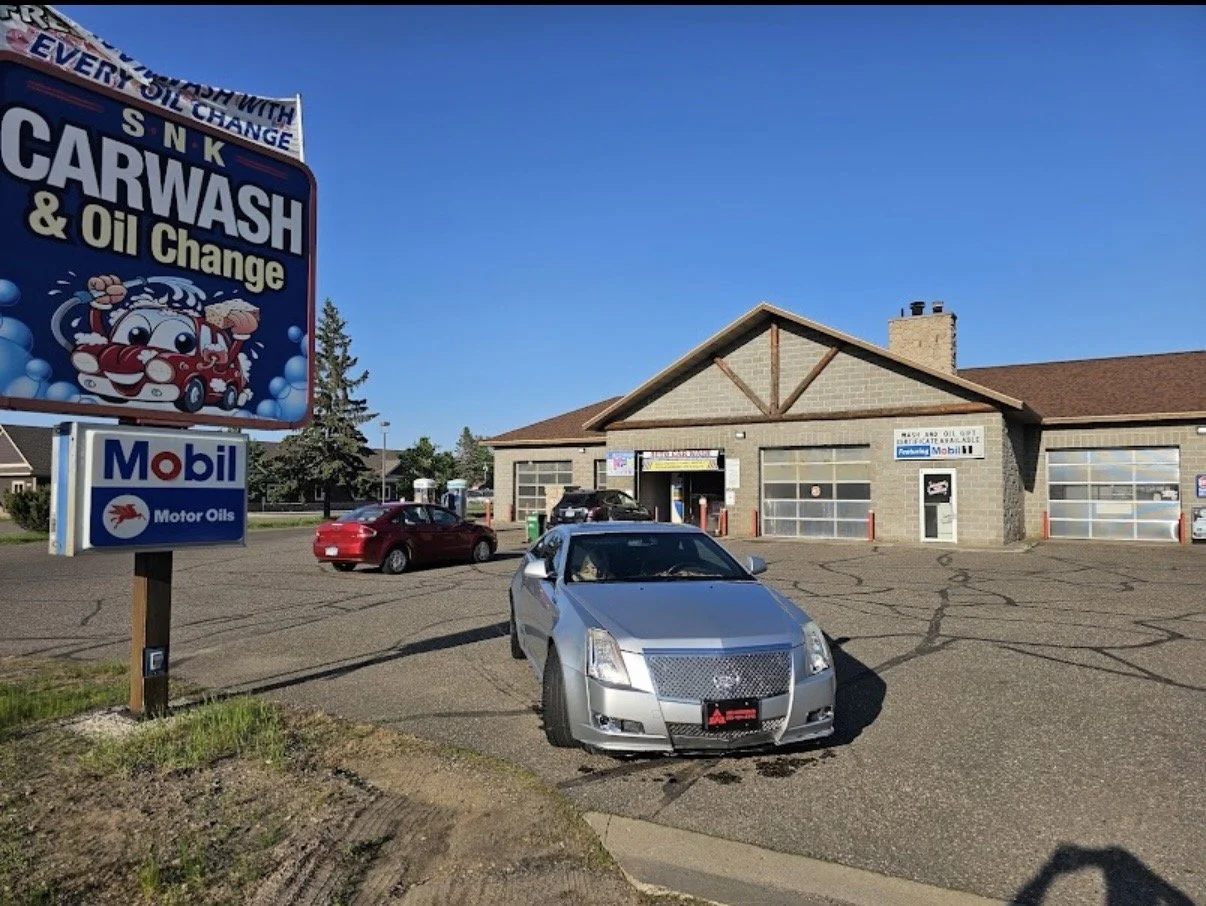
Thank God for SNK car wash in Nisswa Minnesota
SNK Carwash and Oil change is a full-service automotive care facility in Nisswa, Minnesota, that combines efficiency with local reliability. It serves as a convenient one-stop shop for both seasonal residents and locals looking to maintain their vehicles against the elements.
• Offers a range of professional car wash services designed to keep vehicles clean and protected.
• Provides quick-lube oil change services to help maintain engine health and performance.
• Features a retail area with automotive essentials and convenience items.
• Operating hours are Monday through Friday from 8:00 AM to 5:00 PM, and Saturday from 8:00 AM to 12:00 PM.
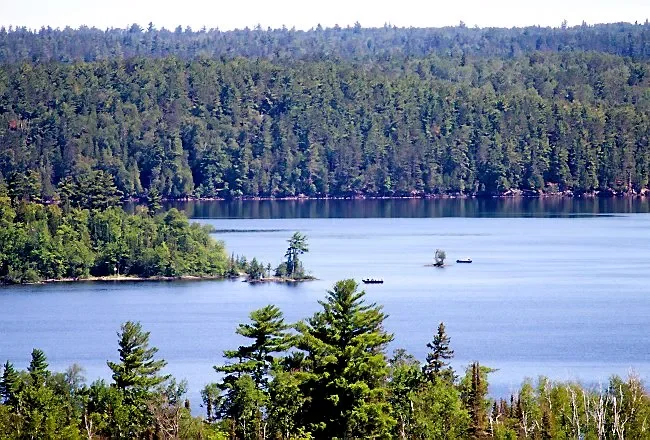
DNR buys nearly 16,000 acres in northern Minnesota
Located in the heart of Minnesota’s Arrowhead Region, Lake Vermilion is widely celebrated as one of the state's most scenic and sprawling bodies of water. Covering roughly 40,000 acres, it is famous for its "365 islands"—one for every day of the year—and a rugged, irregular shoreline that stretches over 290 miles, the longest of any lake in Minnesota. Its name is a French translation of the Ojibwe word Onamuni, meaning "Lake of the Sunset Glow," a nod to the reddish tint the water takes on during the evening.
As the southernmost "Canadian Shield" lake in the region, its character is defined by granite outcrops, towering pines, and clear, shallow bays. It is a premier destination for anglers, particularly those chasing walleye, muskie, and smallmouth bass, and it serves as a gateway to the Boundary Waters Canoe Area Wilderness. Whether for its historic resorts near the towns of Tower and Cook or its reputation as a top-ten scenic lake in the country, Vermilion remains a crown jewel of the American Northwoods.

Drove the owner of his store in Malmo back to Malmo this morning and got to see beautiful lake Mille Lacs
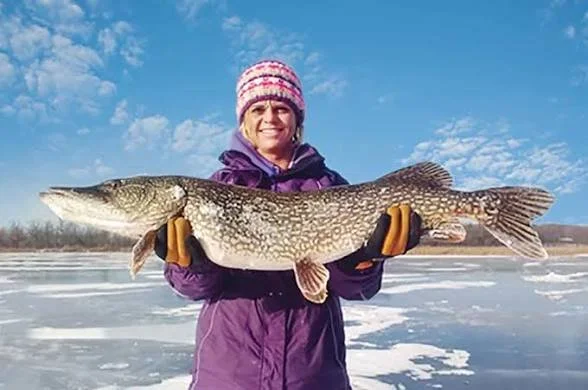
Mille Lacs Lake, located in central Minnesota, is the state's second-largest inland lake, covering over 132,000 acres across Mille Lacs, Aitkin, and Crow Wing counties. Renowned as a premier fishing destination, it is world-famous for its high walleye catch rates, as well as trophy-sized smallmouth bass, muskellunge, and northern pike. Beyond recreation, the lake—known as Misi-zaaga'igan (Grand Lake) in Ojibwe—is a site of profound cultural and historical significance. It has been home to the Dakota and Mille Lacs Band of Ojibwe for centuries, with archaeological evidence of human settlement dating back to 3000 BCE. Today, the lake serves as a year-round hub for outdoor enthusiasts, bustling with ice fishing villages in the winter and supporting diverse ecosystems protected by landmarks like Mille Lacs Kathio State Park.

Waymo's Fix To End Robotaxis Blowing By School Buses Doesn't WorkRead More: https://www.jalopnik.com/2053574/waymo-fix-robotaxis-school-buses/
In late 2025, Waymo issued a voluntary software recall for over 3,000 autonomous vehicles following a series of incidents where its robotaxis illegally passed stopped school buses. The Austin Independent School District in Texas documented at least 20 violations since the start of the 2025 school year, providing video evidence of vehicles driving past buses with red lights flashing and stop arms extended—sometimes while children were still in the road. In some cases, the vehicles reportedly slowed down initially before deciding to proceed. While Waymo stated that it updated its software on November 17 to fix the logic error, local officials claimed that additional violations occurred even after the update was deployed. The National Highway Traffic Safety Administration (NHTSA) has since opened an investigation into the matter, demanding detailed answers from Waymo by early 2026.


How a driverless Waymo ride compares to Uber and Lyft
While Uber and Lyft remain the leaders in global availability and price, Waymo has carved out a niche as a premium, driverless alternative in select cities like San Francisco, Phoenix, and Los Angeles. As of late 2025, Waymo rides are typically 30% to 40% more expensive than standard rideshare options, though the lack of a tipping requirement can narrow that gap for some users. The trade-off for the higher price is a consistent, private experience—cleaner vehicles, total control over the climate and music, and the elimination of "human variables" like awkward conversations or erratic driving. However, Uber and Lyft still hold the edge in speed and flexibility, as human drivers can handle complex maneuvers (like highway merges or difficult drop-off spots) more aggressively than Waymo’s conservative autonomous software.
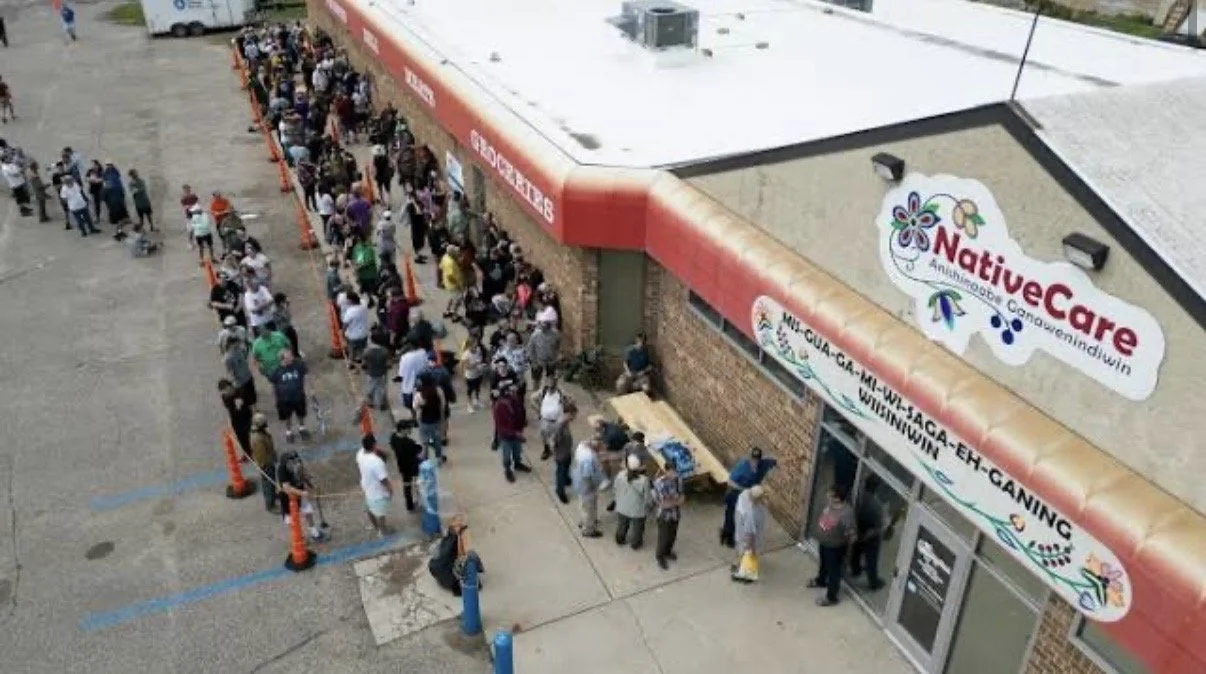
Red Lake Nation opening cannabis dispensaries in Thief River Falls, West St. Paul
NativeCare, the tribally owned cannabis dispensary of the Red Lake Nation, holds a historic place in the state's industry as the first to sell legal adult-use recreational cannabis in Minnesota. Launched on August 1, 2023, the dispensary is located on sovereign tribal land in Red Lake and has built a reputation for high-quality, sustainably grown products, including flower, concentrates, and edibles. Rooted in Indigenous values and community wellness, NativeCare utilizes advanced indoor vertical cultivation to ensure purity and potency. As of December 2025, following a landmark cooperative agreement with the state, the dispensary is expanding its reach beyond reservation borders, with new locations opening in Thief River Falls and West St. Paul, making its premium, toxin-free cannabis accessible to the broader Minnesota market.

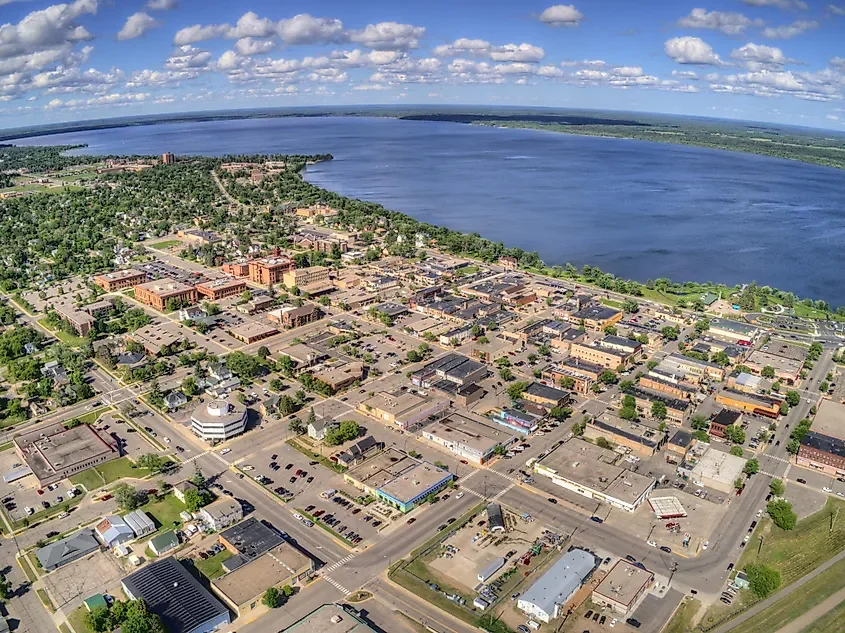
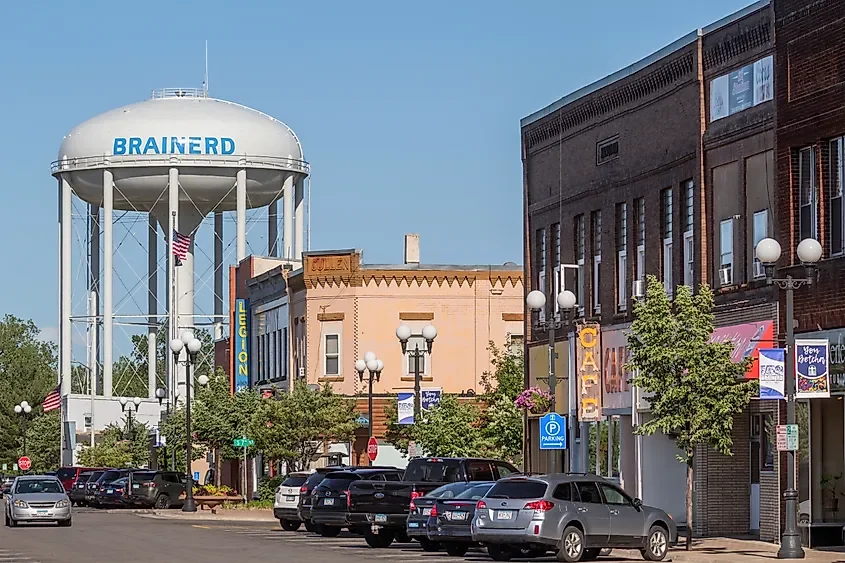
11 Cutest Small Towns In Minnesota
Located in the heart of northern Minnesota, Bemidji is a vibrant regional hub known as the "First City on the Mississippi." It earned this nickname because the Mississippi River flows from its source at nearby Lake Itasca directly into Lake Bemidji before continuing its 2,300-mile journey south. The city is perhaps most famous for its 18-foot statues of Paul Bunyan and Babe the Blue Ox, which have stood on the lakeshore since 1937 as icons of the region's deep logging history.
Beyond its "tall tales," Bemidji is a cultural crossroads; its name is derived from the Ojibwe word Bemidjigamaag ("lake with crossing waters"), and the city serves as a central service point for the three surrounding Indigenous nations: Red Lake, Leech Lake, and White Earth. Today, it is home to Bemidji State University and serves as a premier destination for outdoor enthusiasts, offering world-class fishing, miles of snowmobile trails, and a renowned curling scene.