Stay away from Lyft as autonomous vehicles disrupt ridesharing market, says Wedbush
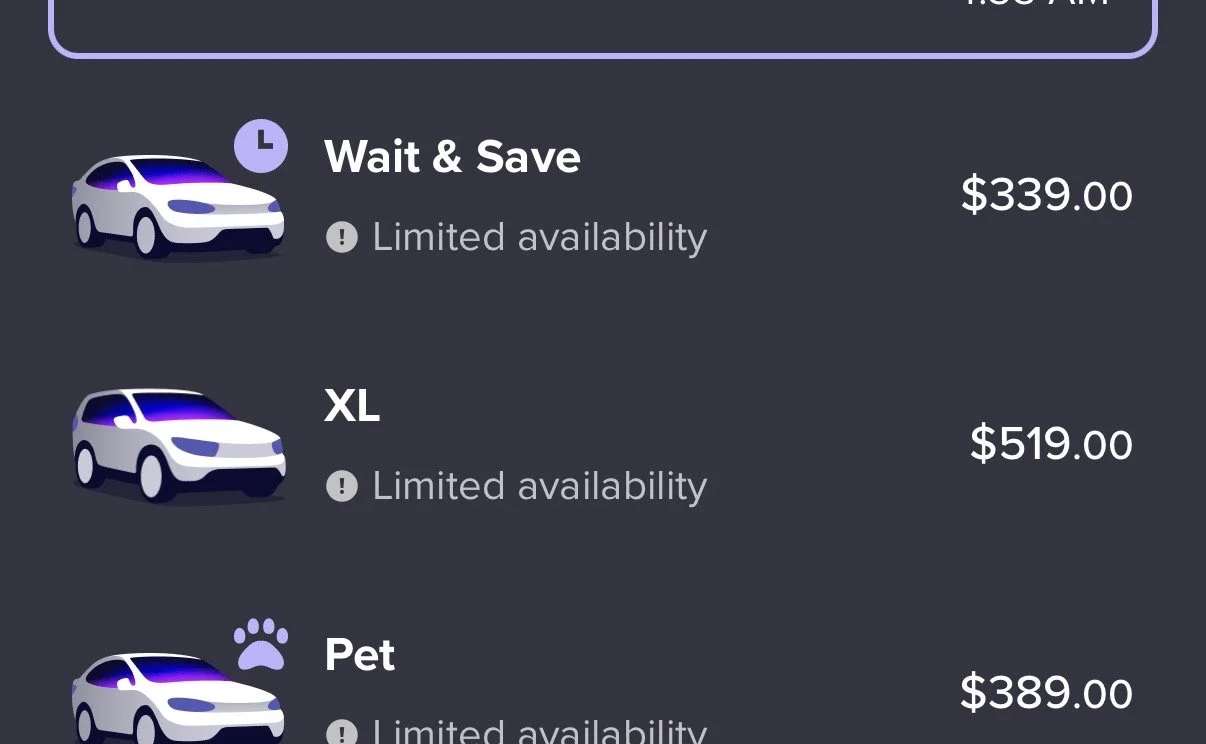
In 2025, the dynamic between Lyft and autonomous vehicles (AVs) has transitioned from competition to a strategic "asset-light" partnership. Rather than developing its own self-driving hardware, Lyft acts as a massive distribution and fleet management network for AV giants like Waymo, Mobileye, and May Mobility. By integrating these robotaxis into its existing app, Lyft aims to create a "hybrid network" where autonomous cars handle high-demand, predictable urban routes while human drivers remain essential for complex maneuvers, poor weather, and personalized service. While this strategy allows Lyft to scale quickly without the massive R&D costs of building a robot, it faces significant pressure from Wall Street over potential margin compression and the risk that AV providers might eventually prioritize their own first-party apps over the Lyft platform.
Uber Stock Continues To Slide: What's Driving The Weakness?
Uber stock has faced significant downward pressure in December 2025, sliding more than 10% over the past two weeks to trade around the $80 mark. This decline is largely driven by a "perfect storm" of regulatory and competitive concerns:
• Legal & Regulatory Blows: The U.S. Federal Trade Commission (FTC), joined by 21 states, recently expanded a lawsuit against Uber, alleging deceptive billing and difficult cancellation processes for its Uber One subscription service. Simultaneously, the company is battling mounting pressure in Europe, including taxi protests in Barcelona and potential new labor rules that could reclassify drivers as employees.
• Robotaxi Anxiety: Despite Uber launching new autonomous partnerships in Dallas and Dubai this month, investors are increasingly worried about long-term competition. The rapid expansion of Waymo and potential threats from a centralized Tesla robotaxi fleet have led some to fear that Uber’s "middleman" business model could be bypassed.
• Analyst Adjustments: While many on Wall Street remain long-term bulls, heavyweights like Morgan Stanley recently lowered their price targets, signaling a shift in near-term sentiment after the stock’s strong run earlier in the year.


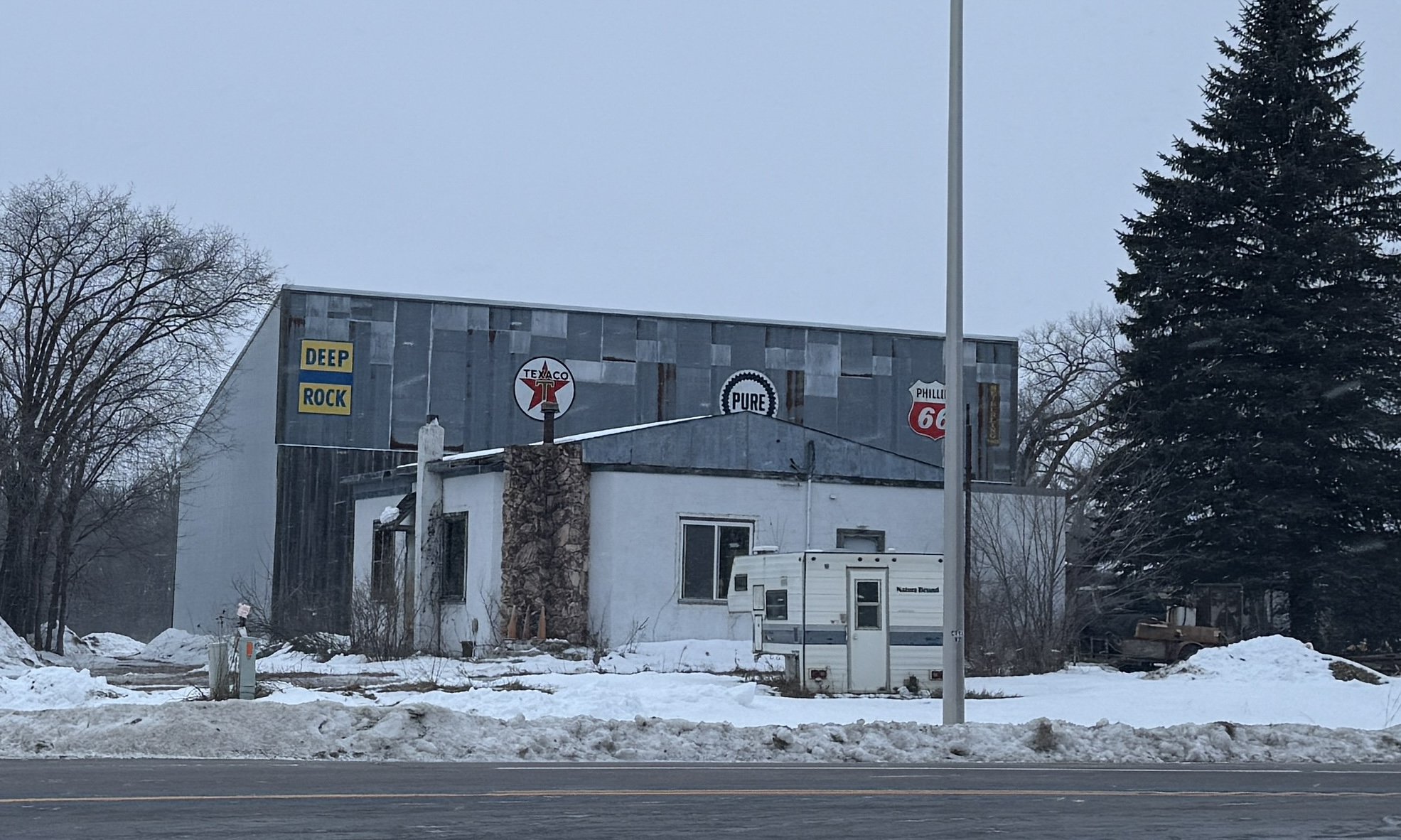
Deep rock south of Brainerd
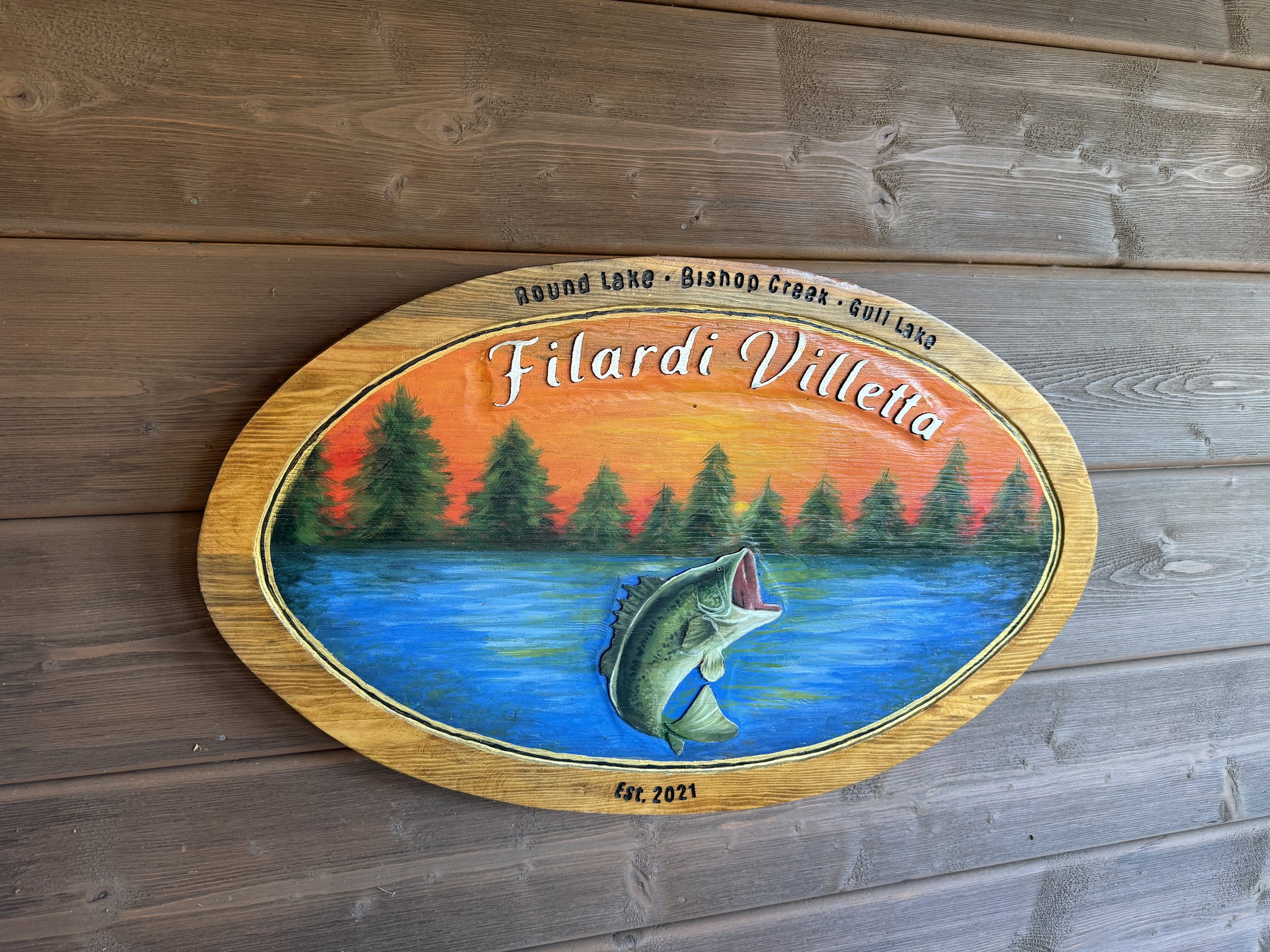
If you’re heading to the intersection of Highway 25 and Highway 2 south of Brainerd, you're looking at a classic Minnesota crossroads in the heart of the lakes area. This junction, located near the town of Genola and just north of Pierz, serves as a key transition point between the dense pine forests of the north and the rolling farmland to the south. It's a high-traffic spot for commuters and cabin-goers alike, often marked by the rural scenery, local agricultural hubs, and the steady stream of travelers making their way toward the Brainerd Lakes recreational area.

And this is why Minnesota is superior to Texas in my mind
The primary difference between Minnesota and Texas lies in their opposite approaches to land ownership and outdoor access. Minnesota is a public-land stronghold, boasting over 12 million acres of accessible terrain, including state forests, Wildlife Management Areas (WMAs), and two massive national forests; in the northern half of the state, it is common for hunters and hikers to roam for miles without encountering a fence. In contrast, Texas is a "private land state" where roughly 95% of the land is privately owned. While Texas offers world-class hunting and recreation, access is typically restricted to landowners or those who pay for exclusive "leases," making public access much scarcer and often more crowded compared to the open-range tradition of the North.