20% off any ride to or from a casino
While there are no casinos directly within the city of Brainerd, the Brainerd Lakes Area serves as a central hub for several major tribal gaming destinations located within a short drive. The most prominent is Grand Casino Mille Lacs in Onamia, situated about 30 miles southeast of Brainerd. This expansive resort features over 1,800 slot machines, blackjack, and bingo, along with a hotel, multiple restaurants, and a cinema. To the north, visitors often frequent Northern Lights Casino in Walker (about 60 miles away) or the smaller White Oak Casino in Deer River. These venues offer a Vegas-style contrast to the region's traditional cabin culture, providing year-round entertainment, live music, and indoor amenities that complement the area's famous outdoor recreation.
Quick Guide to Nearby Gaming:
| Casino | Location | Approx. Distance from Brainerd |
| :--- | :--- | :--- |
| Grand Casino Mille Lacs | Onamia, MN | 35 Minutes |
| Northern Lights Casino | Walker, MN | 1 Hour |
| White Oak Casino | Deer River, MN | 1 Hour 15 Minutes |

Had a lovely drive to Merrifield this afternoon and wanted to remind riders Harpo’s is right downtown
Located right on the Paul Bunyan Trail, Harpo’s Saloon is a quintessential small-town bar and grill in Merrifield, Minnesota. Known for its welcoming, community-centric atmosphere, it serves as a popular pit stop for snowmobilers, bikers, and locals in the Brainerd Lakes Area. The menu features elevated bar favorites like fresh fish tacos, homemade pizzas, and signature burgers, often complemented by weekly events like taco nights and meat raffles. With its spacious back patio, live music, and friendly service, Harpo’s captures the classic "up north" vibe, making it a go-to spot for a cold drink and a hearty meal after a day on the trails.
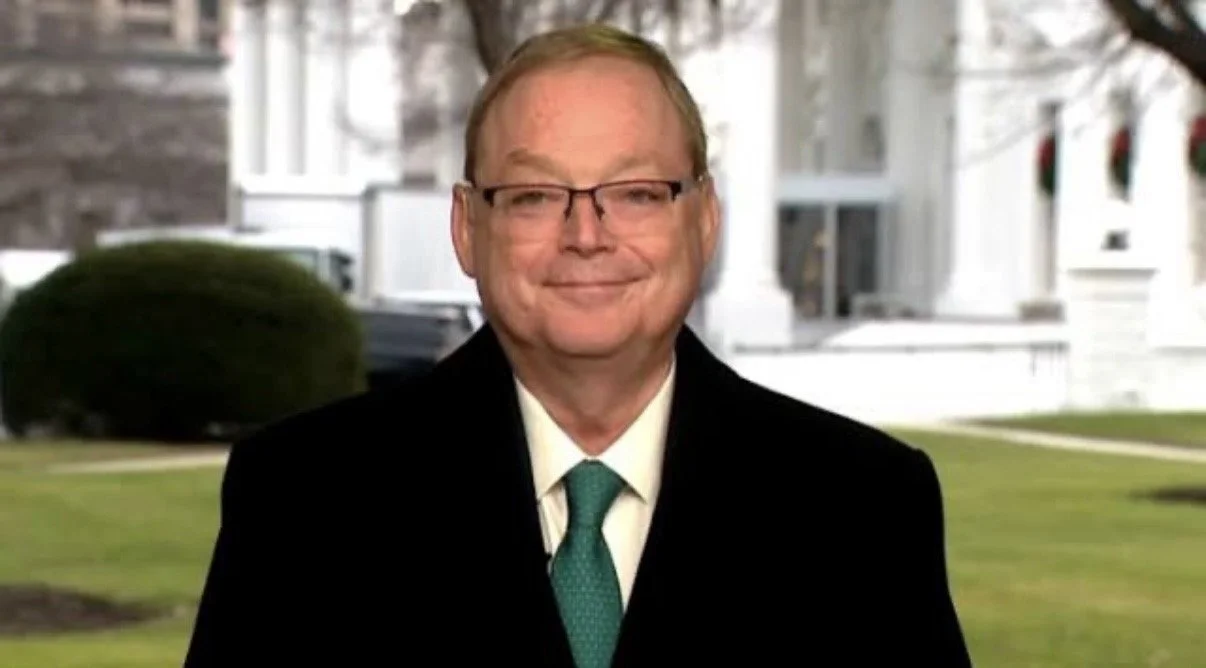
Top White House economic adviser Kevin Hassett says $2,000 tariff checks for Americans will depend on Congress
President Donald Trump has proposed a $2,000 "tariff dividend" check, which he intends to fund using revenue from his administration’s expanded import taxes. The proposal targets low- and middle-income Americans—likely those earning under $100,000 annually—and is framed as a way to return trade revenue directly to taxpayers. However, as of late 2025, no checks are being sent out. The plan faces significant hurdles, including the need for Congressional approval and a pending Supreme Court review on the legality of the tariffs themselves. Furthermore, economists have noted a "math problem" with the proposal: while the checks could cost between $300 billion and $600 billion, current tariff revenues are projected to be significantly lower, leading to concerns that the plan could increase the national debt or fuel inflation.
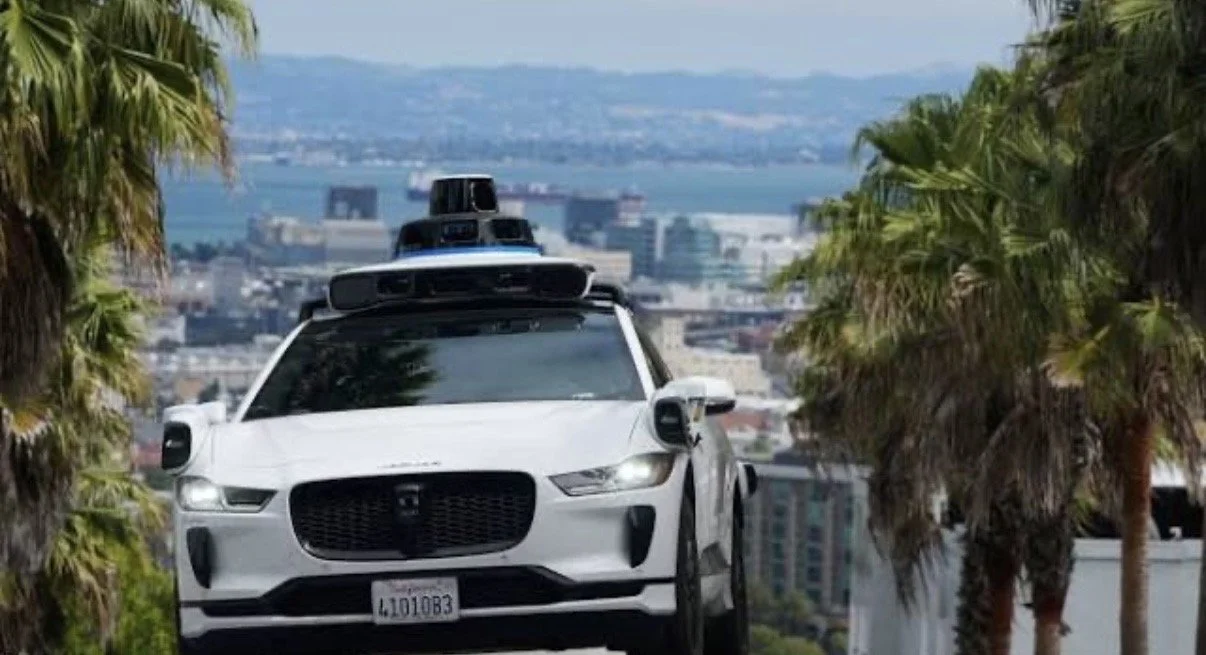
Waymo suspends service in San Francisco after driverless cars cause traffic jams during blackout
In late 2025, Waymo’s operations in San Francisco have faced significant challenges, most notably during a major power outage on December 20, 2025, which left hundreds of robotaxis stranded. Because the vehicles struggled to navigate intersections without functioning traffic signals, many "froze" with hazard lights flashing, causing massive gridlock and forcing a city-wide service suspension. Beyond this infrastructure vulnerability, the company recently issued a software recall for over 3,000 vehicles after reports of cars failing to stop for school buses. Additionally, residents continue to complain about "quality of life" issues, such as robotaxis performing noisy maneuvers in residential cul-de-sacs at night and occasional standoffs with emergency vehicles, fueling ongoing debates about the scale of autonomous deployment in dense urban environments.


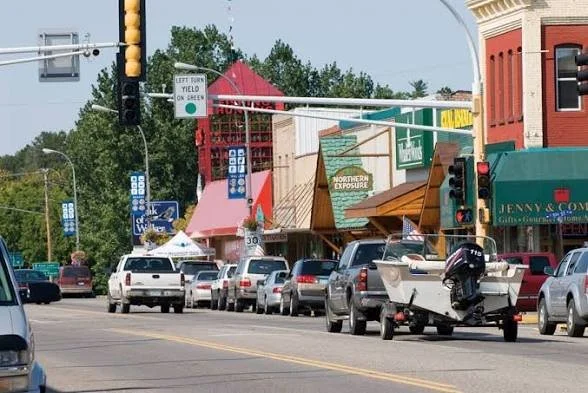
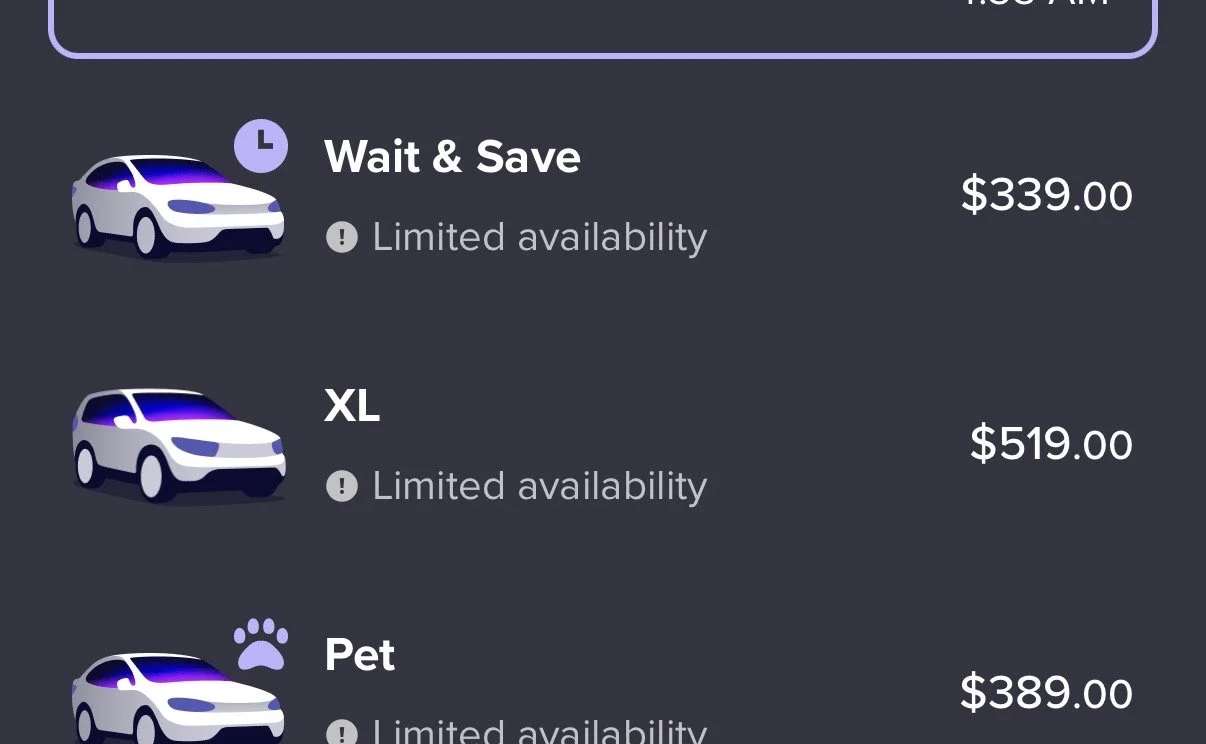
Quoted a trip from Pillager to Walker and back to Pillager at $60 both ways so $120 less 20% so $96
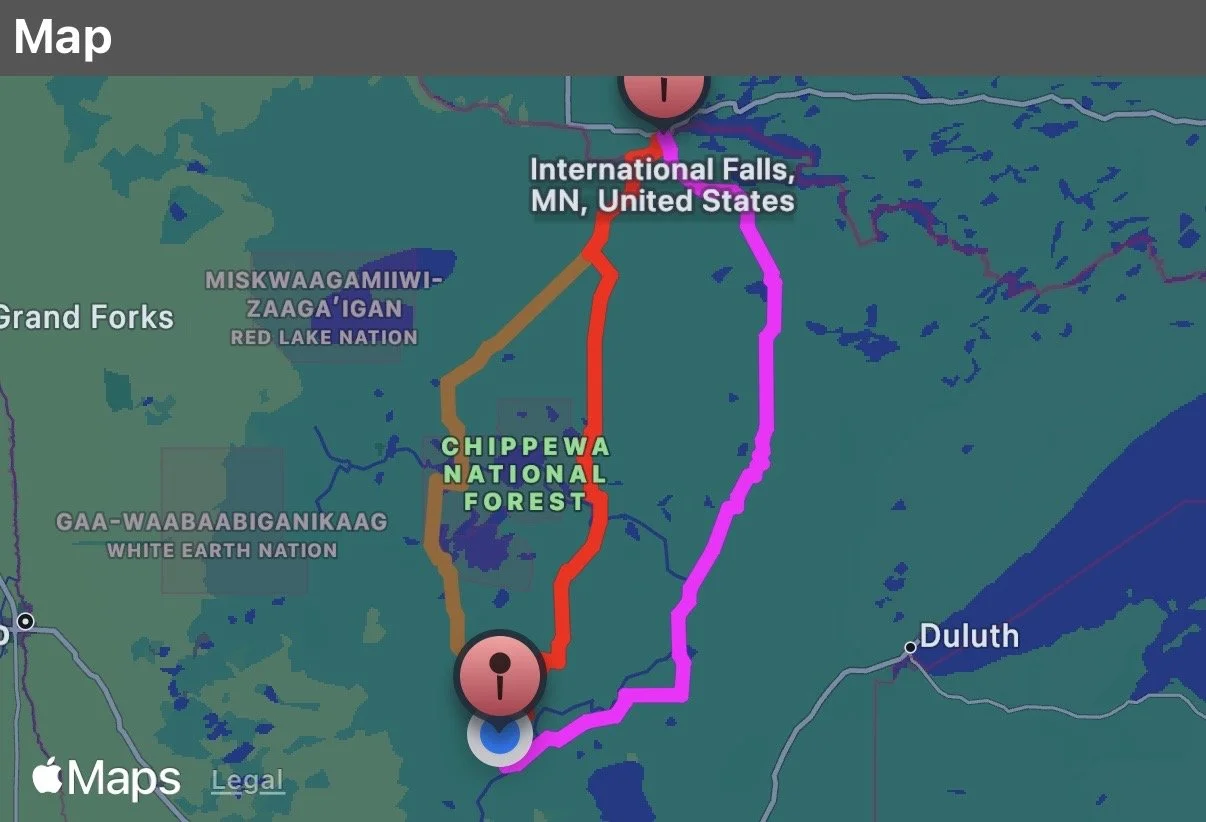
The drive from Pillager to Walker, Minnesota, is a classic Northwoods journey that typically takes about 45 to 55 minutes via MN-64 North. As you leave the open farmlands and meadows surrounding Pillager, the landscape quickly transitions into a dense, picturesque canopy of pines and hardwoods. The route carries you through the heart of the Pillsbury State Forest and skirts the edge of the Chippewa National Forest, offering a peaceful, winding road with glimpses of hidden potholes and shimmering wetlands. This stretch of highway is particularly stunning in the autumn when the tamaracks turn gold and the maples flare red. As you approach Walker, the terrain opens up to the expansive views of Leech Lake, welcoming you into one of the state’s premier lakeside resort destinations.
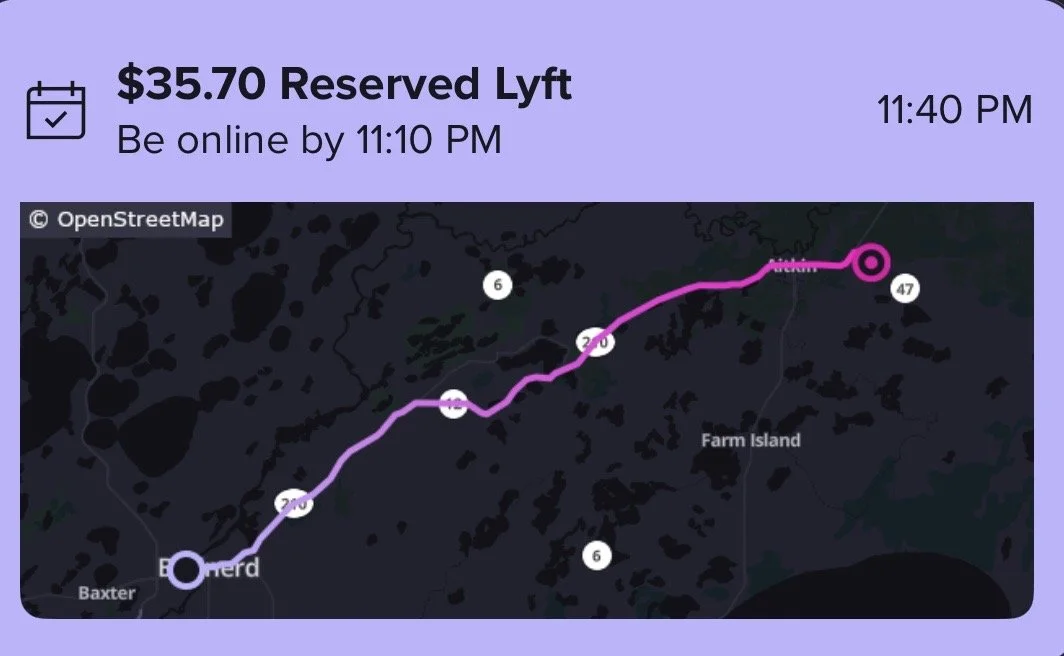


Stay away from Lyft as autonomous vehicles disrupt ridesharing market, says Wedbush
In 2025, the dynamic between Lyft and autonomous vehicles (AVs) has transitioned from competition to a strategic "asset-light" partnership. Rather than developing its own self-driving hardware, Lyft acts as a massive distribution and fleet management network for AV giants like Waymo, Mobileye, and May Mobility. By integrating these robotaxis into its existing app, Lyft aims to create a "hybrid network" where autonomous cars handle high-demand, predictable urban routes while human drivers remain essential for complex maneuvers, poor weather, and personalized service. While this strategy allows Lyft to scale quickly without the massive R&D costs of building a robot, it faces significant pressure from Wall Street over potential margin compression and the risk that AV providers might eventually prioritize their own first-party apps over the Lyft platform.
Uber Stock Continues To Slide: What's Driving The Weakness?
Uber stock has faced significant downward pressure in December 2025, sliding more than 10% over the past two weeks to trade around the $80 mark. This decline is largely driven by a "perfect storm" of regulatory and competitive concerns:
• Legal & Regulatory Blows: The U.S. Federal Trade Commission (FTC), joined by 21 states, recently expanded a lawsuit against Uber, alleging deceptive billing and difficult cancellation processes for its Uber One subscription service. Simultaneously, the company is battling mounting pressure in Europe, including taxi protests in Barcelona and potential new labor rules that could reclassify drivers as employees.
• Robotaxi Anxiety: Despite Uber launching new autonomous partnerships in Dallas and Dubai this month, investors are increasingly worried about long-term competition. The rapid expansion of Waymo and potential threats from a centralized Tesla robotaxi fleet have led some to fear that Uber’s "middleman" business model could be bypassed.
• Analyst Adjustments: While many on Wall Street remain long-term bulls, heavyweights like Morgan Stanley recently lowered their price targets, signaling a shift in near-term sentiment after the stock’s strong run earlier in the year.
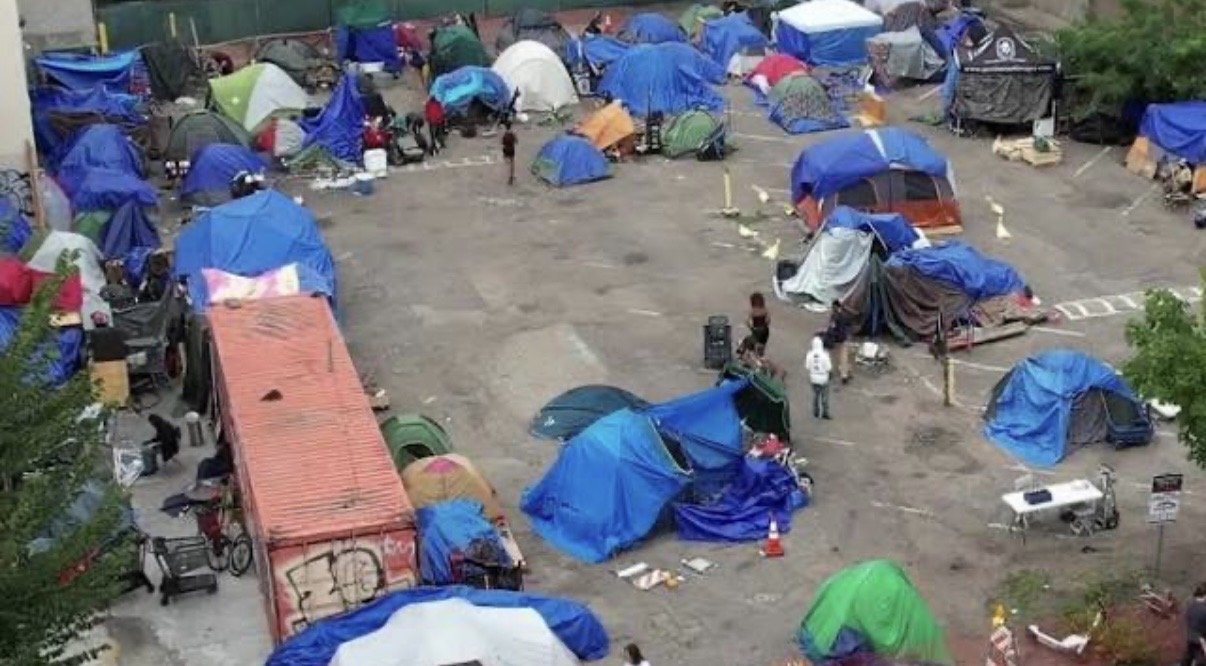
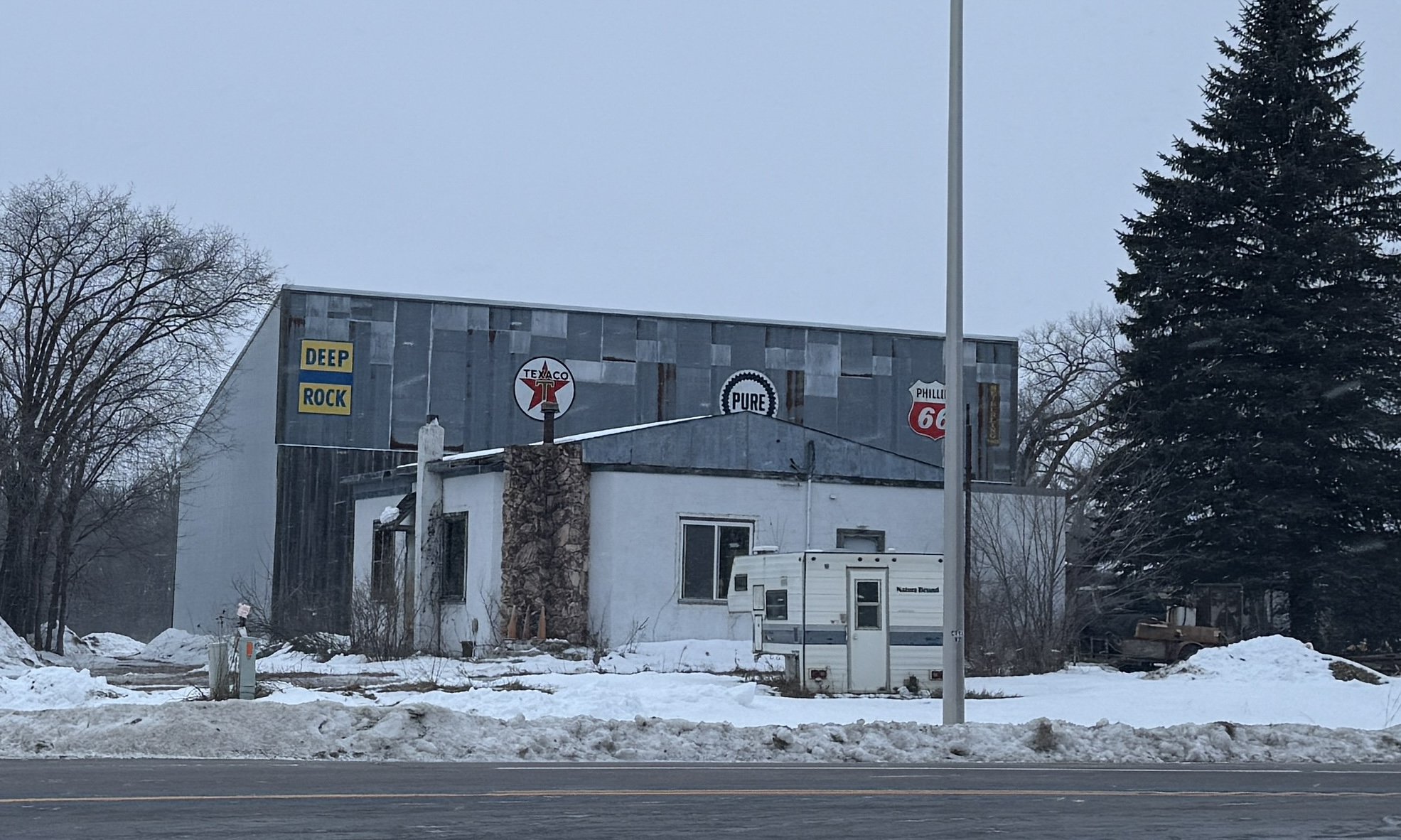
Deep rock south of Brainerd
If you’re heading to the intersection of Highway 25 and Highway 2 south of Brainerd, you're looking at a classic Minnesota crossroads in the heart of the lakes area. This junction, located near the town of Genola and just north of Pierz, serves as a key transition point between the dense pine forests of the north and the rolling farmland to the south. It's a high-traffic spot for commuters and cabin-goers alike, often marked by the rural scenery, local agricultural hubs, and the steady stream of travelers making their way toward the Brainerd Lakes recreational area.
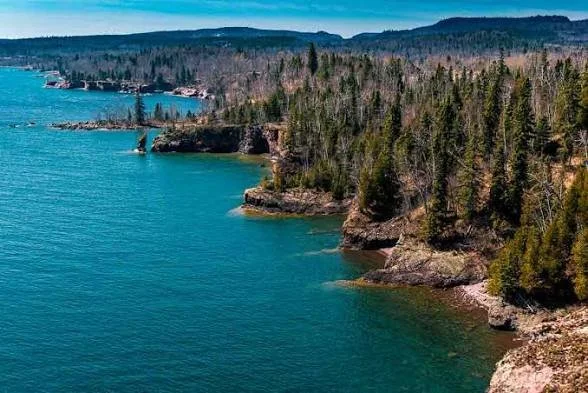
And this is why Minnesota is superior to Texas in my mind
The primary difference between Minnesota and Texas lies in their opposite approaches to land ownership and outdoor access. Minnesota is a public-land stronghold, boasting over 12 million acres of accessible terrain, including state forests, Wildlife Management Areas (WMAs), and two massive national forests; in the northern half of the state, it is common for hunters and hikers to roam for miles without encountering a fence. In contrast, Texas is a "private land state" where roughly 95% of the land is privately owned. While Texas offers world-class hunting and recreation, access is typically restricted to landowners or those who pay for exclusive "leases," making public access much scarcer and often more crowded compared to the open-range tradition of the North.